Defined Project Scope
Tooling for your own production
For molding elsewhere, define the intended machine interface, sampling scope and mold handover requirements before design.
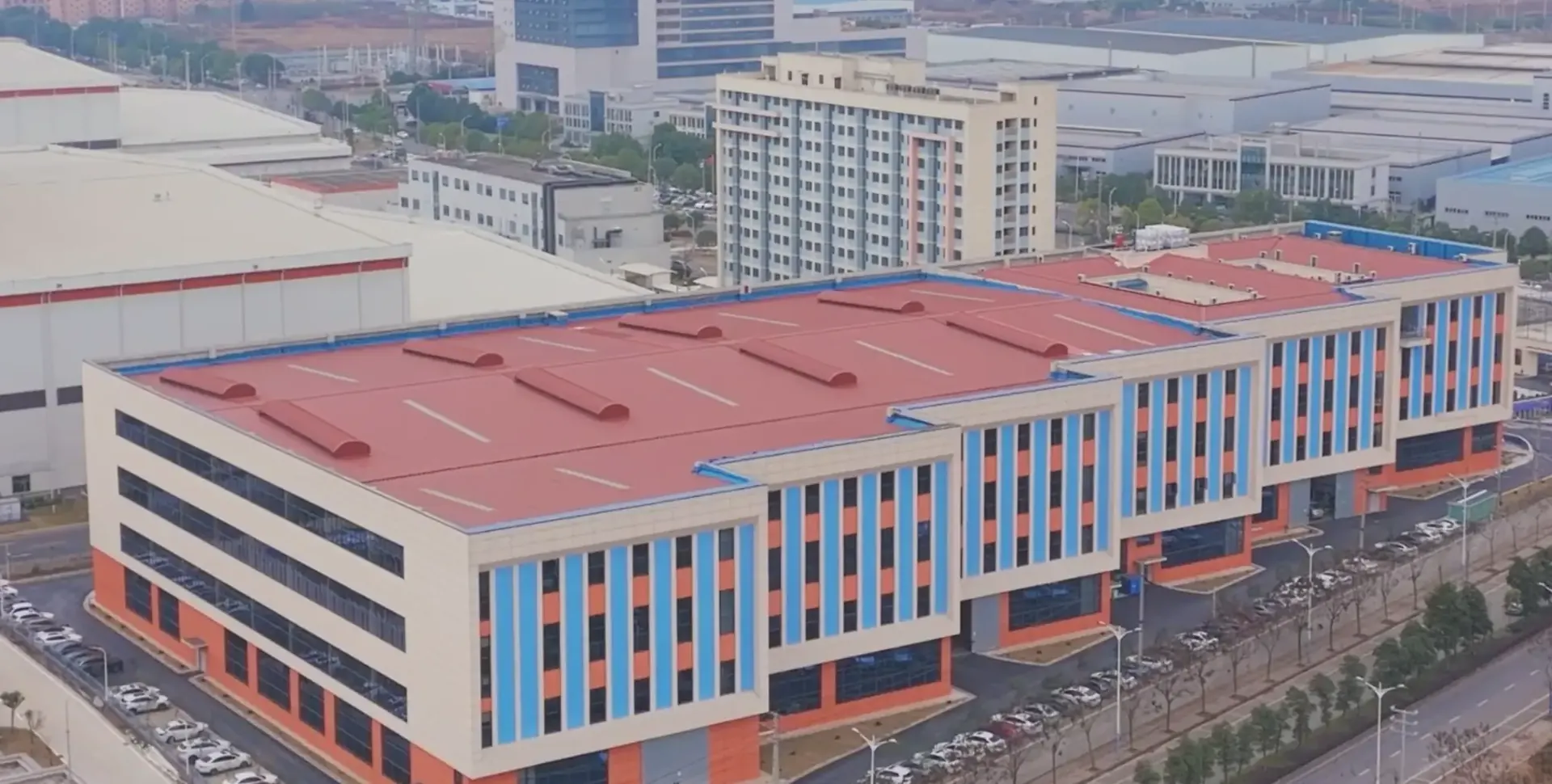
One Coordinated Manufacturing Program · China Factory
KINGHAN MOLD coordinates custom injection molds and plastic parts for overseas OEM buyers through one factory program in Chengdu, China. Start with your part requirements, then agree the tooling route, sample approval criteria and production scope. Whether you need a mold, ongoing molded parts or an existing tool assessed, the quotation should reflect what your project actually requires.
From the approved part drawing to tooling, trial samples and repeat production.
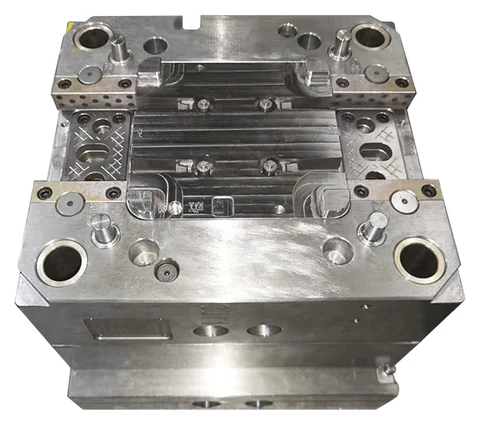
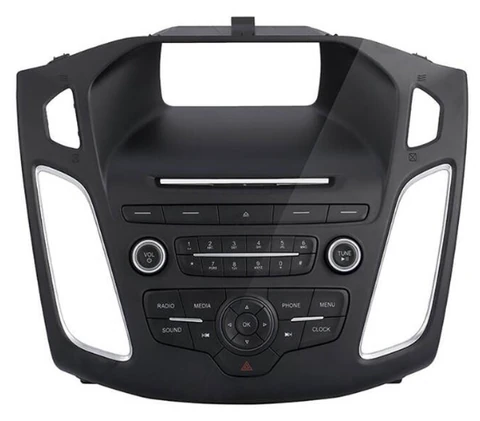
Separate KINGHAN-supplied tooling and product examples; not presented as a matched mold-and-part project.
20+ years
Mold manufacturing experience
40,000 m²
Manufacturing facility in Chengdu
40+ machining equipment
CNC, EDM, grinding, milling and drilling
40+ injection machines
Clamping capacity up to 1300T
Start With Your Manufacturing Scope
Choose a starting point based on what you need to purchase and where production will take place. Tooling supply, a combined tooling-and-parts program and an existing mold review require different technical information and commercial decisions.
Defined Project Scope
For molding elsewhere, define the intended machine interface, sampling scope and mold handover requirements before design.
Integrated Program
Share the application, resin and expected orders to coordinate tooling decisions with production and finishing requirements.
Defined Project Scope
Send mold drawings, photographs and trial records for a review of machine compatibility, condition and production suitability.
Machining + Molding + Verification
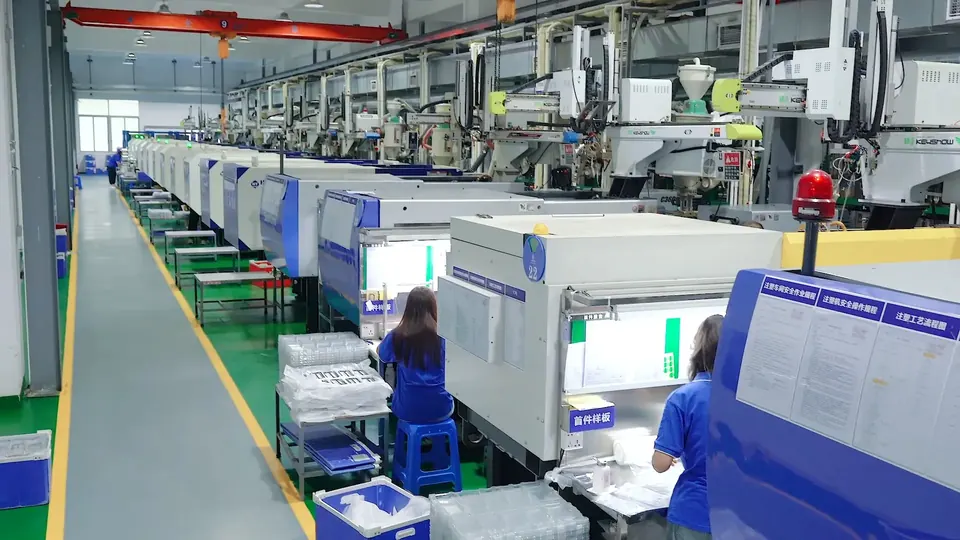
Sichuan Kinghan Mold Technology Co., Ltd. brings 20+ years of experience to a 40,000 m² facility in Chengdu, Sichuan. Tool machining, mold trials and injection molding are connected within the factory, allowing part requirements to inform both tool development and the proposed production plan.
Sichuan Kinghan Mold Technology Co., Ltd. · Chengdu, Sichuan, China.
40+ pieces of machining equipment include CNC, EDM, grinding, milling and drilling, supported by wire EDM.
UG/CAD design connects with machining, fitting, polishing and assembly to the agreed mold specification.
A separate fleet of 40+ injection molding machines, up to 1300T, supports in-house trials, sampling and part production.
Machine suitability depends on mold, resin and part requirements, not tonnage alone.
CMM and optical projector equipment support dimensional checks against your drawing.
Connect sample evidence and production checks to specified dimensions, appearance features and assembly interfaces.
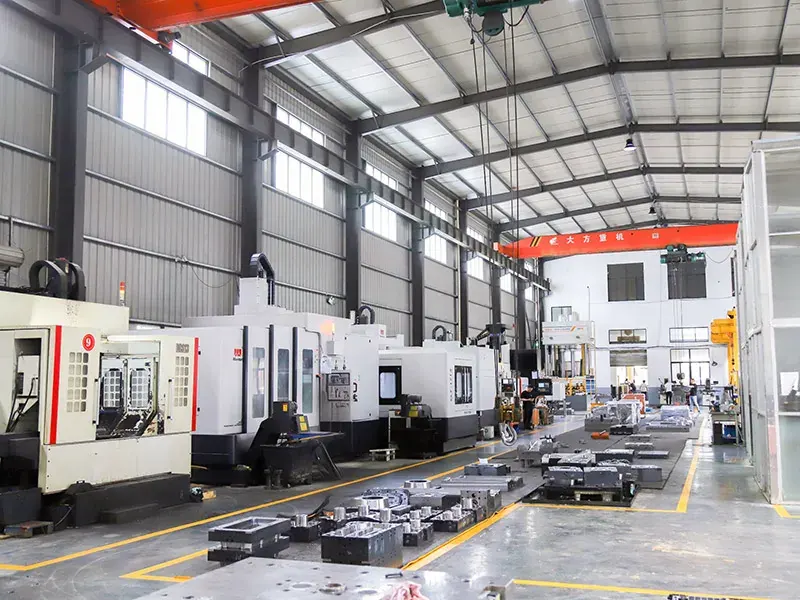
From Engineering to Repeat Orders
A coordinated program starts by making responsibilities visible. Define what is being supplied, which requirements need confirmation and who approves each stage. The following sequence connects engineering decisions with sample signoff and the practical requirements of repeat part orders.
01
Send the part model, drawing and application details, including relevant mating components. Identify tooling-only supply, tooling plus parts or an existing mold assessment. Flag unresolved requirements before quotation assumptions become design decisions or affect the production scope.
02
DFM review considers walls, ribs, draft, undercuts, parting lines and gates against the intended resin and function. Discuss cavity options, visible surfaces and order expectations, then resolve design questions before developing the mold design in UG/CAD.
03
The mold design guides CNC machining, EDM, wire EDM, grinding, milling and drilling. Fitting, polishing and mold assembly bring the components together. Keep agreed part or tooling revisions aligned with the current drawing and approval record.
04
In-house trials produce samples for dimensional, appearance and functional review. Review inspection evidence alongside physical parts, identify revisions and confirm sample signoff against agreed criteria. Production approval should identify the drawing revision, material and accepted reference samples.
05
Translate the approved sample into a plan covering resin grade, batch quantity, checks, finishing, assembly and packaging. Agree responsibilities for supplied components and external processing. Confirm the requested shipping schedule against that scope before placing the order.
06
Review inspection records, part identification and packaging before shipment. For repeat orders, reference the approved specification and confirm quantities, material availability and requested dates. Review later drawing, color or assembly changes instead of assuming the previous setup remains suitable.
Custom Plastic Product Examples
Custom plastic parts may involve more than an acceptable molding shape. Explain how the component fits, moves, protects or presents within your product. Mating interfaces, visible surfaces, assembly steps and packaging sensitivity help define what must be approved at sampling and maintained through subsequent production orders.
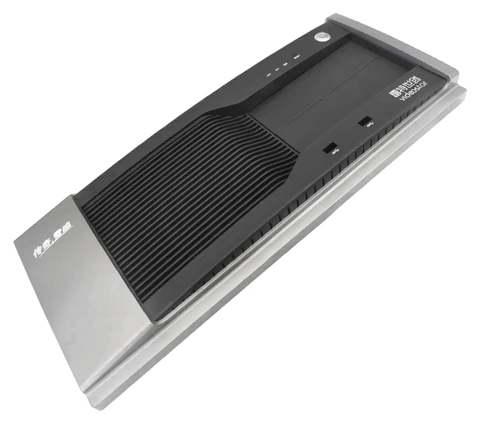
Coordinate openings, ribs, attachment features and visible surfaces with the enclosure design.
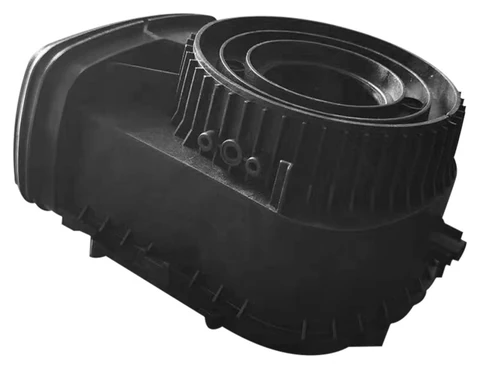
Review mounting datums, stiffness, assembly fit and the operating environment before selecting a resin grade.
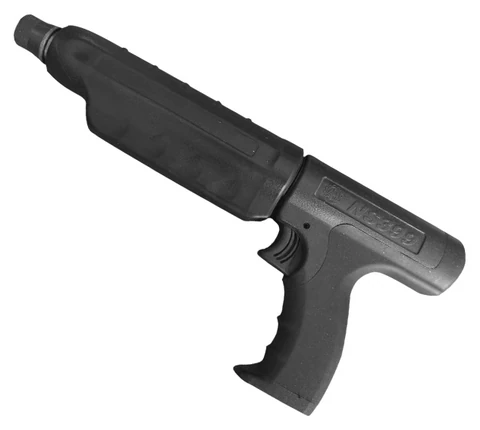
Plan shell fit, fastening points, handling surfaces and appearance requirements as part of the complete assembly.
PP, ABS, PC/ABS, PA, POM and TPE/TPU are candidate materials for discussion, not interchangeable choices. Share the intended load, temperature exposure, contact conditions, appearance and any material compliance requirements. The specific grade, color and processing needs should be reviewed against the application and mold design, with material selection confirmed before samples become the production reference.
The Part Is More Than Its Shape
The production agreement should describe the delivered part, not just the molding cycle. Confirm material, finish, assembly content and inspection evidence together. This keeps the approved sample, purchasing specification and quoted piece price connected to the same scope of supply.
Review quality planningIdentify cosmetic faces, texture expectations, color references and any proposed surface treatment. Distinguish a molded surface from an additional finishing operation. Review the method, acceptance reference and processing responsibility before quotation; the agreed program should state what KINGHAN MOLD coordinates and which operations require external processing.
List inserts, fasteners, purchased components and joining steps included in the delivered item. Provide assembly drawings and functional checks where available. Confirm who sources each component, what is assembled before shipment and how the completed part is inspected, so a molded-part quotation is not mistaken for a complete assembly quotation.
Confirm the resin grade, color specification and any documentation required for your purchasing process. State whether substitutions need written approval and whether an application-specific requirement applies. Align these details with sample approval and repeat orders, rather than describing material only by a broad polymer family or a visual color name.
Mark critical dimensions, mating features and appearance criteria on the drawing or inspection plan. Agree the measurements, sample quantities and records needed for approval and production review. CMM or optical projector checks can support relevant dimensional verification, while functional and assembly checks require their own defined methods and acceptance criteria.
Separate the Tool Cost From the Part Price
An export quotation is more useful when it separates the tooling purchase from the recurring cost of supplied parts. Send the available technical information and identify open decisions. KINGHAN MOLD can then review the proposed scope, clarify assumptions and discuss the commercial items that need agreement.
Start With the Information You Have
Send a drawing, reference sample information or a short product brief. Tell us whether you need a new mold, molded parts or both, so the first review follows the right manufacturing scope.
The form needs only your name, email, optional WhatsApp/phone and message. Send CAD or drawings as email attachments to info@kinghanmold.com. Discuss confidentiality terms before sharing proprietary files when needed.
Answers for Overseas OEM Buyers
Yes. KINGHAN MOLD can coordinate mold development, in-house trials and injection-molded part production within an agreed program. Define your part requirements and expected orders first. The quotation and sample approval process should identify material, finishing, assembly and inspection scope; downstream operations are not automatically included.
For tooling-only supply, provide the intended production machine details and mold handover requirements. For an existing mold, send specifications, photographs and available production or trial records. KINGHAN MOLD needs to review compatibility, condition and part requirements before proposing how the tool could support your molding order.
Agree the drawing revision, material and acceptance criteria before reviewing trial samples. Approval can combine dimensional records, appearance references and functional or assembly evaluation. Record requested changes and confirm the accepted sample basis before production planning. Visual approval alone may not resolve essential dimensions or interfaces.
Only when specified and agreed in the supply scope. Describe treatment, assembly steps, components and acceptance requirements during the RFQ. KINGHAN MOLD can review surface treatment and assembly planning, including processing responsibilities. Do not assume every finishing operation is in-house or included in a basic molded-part price.
Provide application requirements and any preferred grade, not a polymer name alone. PP, ABS, PC/ABS, PA, POM and TPE/TPU are candidates subject to grade and application review. Temperature, load, appearance, contact conditions and molding behavior inform selection; confirm the agreed material before approving production samples.
The contact form has Name, Email, WhatsApp/Phone and Message; Name, Email and Message are required. There is no file upload. Email CAD and drawings to info@kinghanmold.com, referencing your enquiry, or contact +8618628343025. Include quantities, material, finishing requirements and destination for a scope-specific technical review and quotation.
Discuss your next tooling-and-production program with KINGHAN MOLD. Connect engineering requirements, factory resources and the delivery scope before placing the order.