KINGHAN MOLD manufacturing facility in Chengdu, China
Skip to main content

Product-Specific Tooling · China Manufacturer

Custom Injection Molds Built Around Your Product

A custom injection mold is engineered for your plastic part, specified resin and production requirements. KINGHAN MOLD supports DFM, product-specific tool design, manufacturing and trial sampling—so you can agree the tooling specification and acceptance criteria before manufacture.

Already have a mold and need molded parts? Explore custom injection molding.

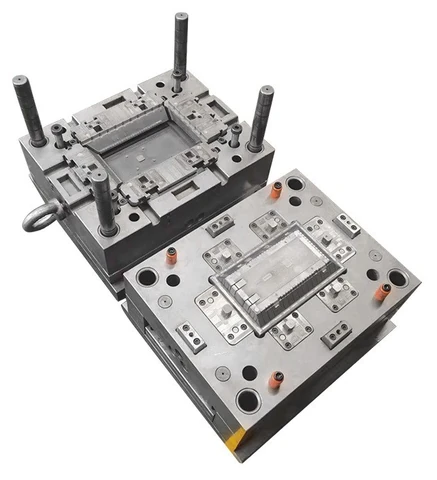
Steel injection mold assembly with machined cavities supplied by KINGHAN MOLD
KINGHAN-supplied tooling photograph. Your mold configuration is developed from your own part requirements.

20+ years

Mold manufacturing experience

40+ machining equipment

CNC, EDM, grinding, milling and drilling

Chengdu, Sichuan, China

Sichuan Kinghan Mold Technology Co., Ltd.

Define the Tool

What Can Be Customized in an Injection Mold?

The cavity reproduces your approved part geometry. The tooling system around it determines how the resin fills, cools and releases, how many parts are made per cycle, and how the mold is serviced. Configuration should follow the part and production plan, not a standard sales package.

Cavity count and layout

Specify demand and press capacity before choosing a single-cavity or multi-cavity layout. More cavities increase output per cycle but add tooling, filling-balance and inspection considerations. Different parts in one family mold need a separate feasibility review.

Review tooling options

Hot runner configuration

Consider a hot runner when material usage, gating or volume justifies the additional system. Define gate locations, controller interfaces and preferred component brands. Resin suitability, color changes and replacement-part availability belong in the purchasing decision.

Review tooling options

Cold runner configuration

A cold runner may offer simpler tooling, but its solidified runner requires separation and material handling. Review gate trimming, runner volume and permitted regrind use rather than comparing only the initial mold quotation.

Review tooling options

Critical features and precision

Identify dimensions controlling fit, sealing or assembly. Agree measurement methods and features needing special tooling attention. Tie precision requirements to the drawing and resin, not an unspecified claim about every dimension.

Review tooling options

Before Steel Is Cut

Start With a DFM Review of Your Part

Design for manufacturability turns part requirements into tooling decisions before machining. Supply revision-controlled 3D models and dimensioned drawings where available. Review proposed changes and incorporate them into the approved design rather than relying on informal messages.

See engineering capabilities
Open injection mold showing matching core and cavity plates
Core and cavity geometry is reviewed alongside release, cooling and inspection needs.

Part geometry and resin

Review wall transitions, draft, ribs, undercuts and parting lines against the specified resin. Flag cosmetic surfaces and functional fits. Shrinkage assumptions depend on material and geometry; a resin substitution may require another review.

Gates, runners and venting

Agree melt-entry locations and treatment of gate marks. Review runner balance, weld-line risks and venting against part function. Mark gate locations on the design so appearance expectations are not left open.

Cooling and ejection

Review cooling access near thick sections, inserts and moving features. Select ejection locations that support release without conflicting with functional or cosmetic surfaces. Include slides, lifters and maintenance access where geometry requires them.

Destination press compatibility

Check mold dimensions, tie-bar clearance, mounting, opening stroke, ejector travel and nozzle interface against the intended press. Assess clamp and shot-capacity needs. Confirm cooling connections and hot-runner electrical interfaces before approving mold drawings.

Approval-Led Workflow

From Your Drawing to an Approved Custom Mold

Agree what will be reviewed and accepted at each stage. A first mold trial is a validation milestone, not an automatic production release.

  1. 01

    Define the quotation basis

    Send part data, resin, demand and tool destination. Separate confirmed requirements from open decisions. The quotation should identify assumptions, included scope and customer-specified components so competing proposals can be compared meaningfully.

  2. 02

    Approve the tooling specification

    Resolve DFM comments and agree cavities, runners, steel, finish and press interfaces. Record approved drawing revisions, acceptance requirements and commercial terms before authorizing manufacture. Define how later design changes will be handled.

  3. 03

    Manufacture and assemble

    Machining and fitting turn the approved design into a working tool. Keep material or component substitutions subject to review. Track engineering changes so handover documents describe the tool actually supplied.

  4. 04

    Evaluate trial samples

    Assess trial parts against agreed dimensional, appearance and functional criteria. Record resin grade, molding conditions and cavity identification to interpret results. First-trial samples are evaluation material, not automatic evidence of final mold acceptance.

  5. 05

    Close corrections and approve handover

    List corrections and decide whether further samples or tests are needed. Agree who grants approval and which records demonstrate closure. Release the tool for delivery or separately agreed production through the defined acceptance and commercial process.

Compare the Same Scope

What Determines Custom Injection Mold Cost and Lead Time?

A useful quote identifies the design baseline, tool specification, trial scope and delivery arrangement. Comparing price alone can hide differences in cavity count, components, validation and support.

Plan your mold timeline

Geometry and moving mechanisms

Undercuts, deep ribs, thin features and complex parting surfaces affect machining, fitting and mechanism design. Review whether a part change could simplify the mold without compromising function before accepting the concept.

Cavities and runner hardware

Cavity count, mold size and hot-runner components change investment and maintenance needs. Compare equivalent configurations and included accessories; a lower headline price may reflect a different scope rather than an equivalent tool.

Steel and surface treatment

Discuss steel against resin abrasiveness, corrosion exposure, expected usage and repair needs. Polishing, texture and treatments add work. Define visible surface expectations because finish changes can also affect draft and part release.

Approval and validation scope

Drawing changes, purchased components, sampling rounds and inspection requirements influence cost and timing. Request a project-specific schedule with approval dependencies, not a universal delivery promise. Clarify charges for additional modifications, testing and freight.

For Overseas Buyers

Plan Mold Ownership, Press Fit and Handover Early

For molds running outside China, include transfer readiness in the specification. Share the receiving plant's press and utility details early. Agree ownership, documentation, packing, delivery responsibilities and support in the contract rather than inferring them from the word export.

Ownership and permitted use

Define ownership, tool identification, storage and restrictions on use. Address release conditions and design-file access in the contract. Specify these points even if the mold remains at KINGHAN for separately agreed production.

Drawings and component records

Agree the drawing package, assembly information, component references and any required spare-parts list. Specify file formats and included design rights rather than assuming every editable engineering file transfers with the mold.

Trial and operating information

Specify samples, inspection records and available trial-setting information. Request connection layouts, handling instructions and maintenance guidance. Trial settings are a starting reference; the receiving plant must establish suitable conditions on its own press.

Packing and delivery terms

Confirm preservation, lifting provisions, packing and shipping documents. Define delivery terms and responsibility for freight, insurance and import procedures. Plan how receipt checks and questions from the receiving plant will be handled.

Send a Practical Project Brief

Request a Custom Injection Mold Quote

Start with your available part design, material and quantity information. Identify any decisions still under review so the engineering team can clarify the tooling concept and quotation basis. A preliminary brief is useful even when the final specification is not yet complete.

The contact form asks only for your name, email, optional WhatsApp/phone and message. Send CAD or drawings as email attachments to info@kinghanmold.com. If confidentiality terms are required, discuss them before sending proprietary files.

Useful Information for the First Review

  • Part model and drawing revisions, critical dimensions, assembly requirements and physical sample details.
  • Resin grade, color, surface finish, cosmetic limits and restrictions on material substitutions.
  • Expected demand, preferred cavities and intended tool usage, identifying assumptions still under review.
  • Receiving press specifications, mold destination and preferences for runners or other components.
  • Sample and inspection requirements, desired timing, ownership expectations and requested delivery documentation.
Open the detailed RFQ checklist

Direct Buyer Answers

Custom Injection Mold Questions

Is commissioning a custom mold the same as ordering molded parts?

No. A mold order defines tooling design, manufacture, trials and agreed handover. Part production also needs quantities, material purchasing, processing, inspection and packing terms. Specify whether you need tooling only or a separate production arrangement.

Can I start with a sample instead of finished CAD?

Send sample details or preliminary drawings to begin a discussion. Identify functional and appearance requirements. Agree any modeling work, measurement assumptions and final drawing approval before establishing a manufacturing-ready tooling specification.

How many cavities should my custom injection mold have?

Evaluate demand, part size, resin behavior and press capacity. More cavities do not automatically mean a better investment. Compare tooling cost, cavity balance, maintenance and production needs before approving the layout.

Can you quote a fixed price and delivery date immediately?

A meaningful commitment needs a defined scope. Confirm the part revision, tooling configuration, sampling and documentation requirements before agreeing price and timing. Changes after approval should follow the agreed change process.

Will I own the mold and be able to move it overseas?

Discuss both before ordering. Define ownership, payment and release conditions, documents and delivery responsibilities in the contract. Transfer also requires compatibility with the receiving press; ownership alone does not establish that compatibility.

Can we discuss an NDA before sharing product files?

Yes. Raise confidentiality requirements before sending sensitive data so an NDA and file-sharing arrangements can be discussed. Do not assume an agreement exists. Confirm terms and authorized recipients before transferring confidential CAD.

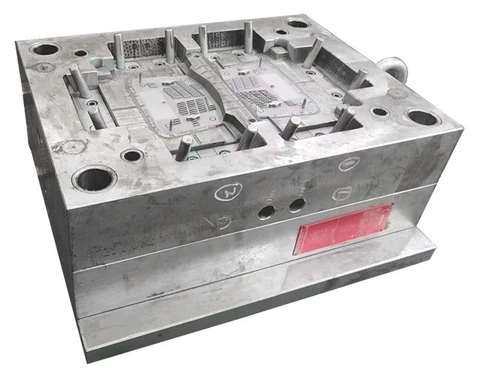
Turn Your Part Design Into a Clear Tooling Plan

Share your drawing, resin and expected quantity with KINGHAN MOLD. Start with the available information and clarify the engineering decisions before committing to a custom mold.

WhatsApp